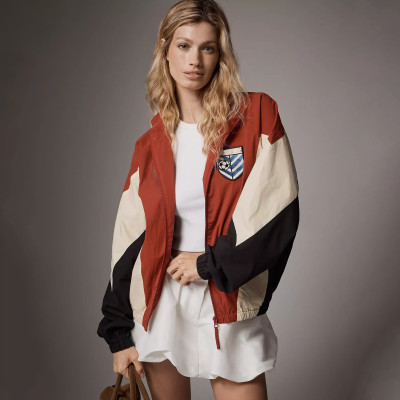
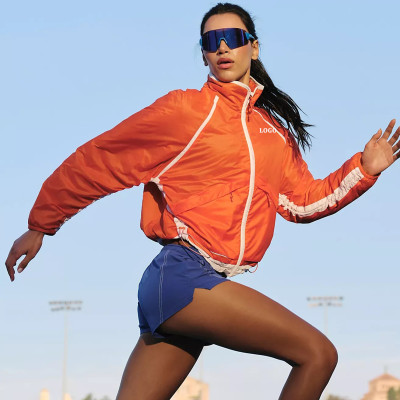
The global activewear market is projected to surpass $547 billion by 2028. For brands — from startups launching their first collection to established labels scaling production — China remains the world's most capable manufacturing hub, producing over 60% of the world's fitness apparel. But sourcing custom activewear from China requires understanding fabrics, MOQs, quality standards, and the right manufacturing model. This guide walks you through the entire process with practical, experience-backed advice for 2026.
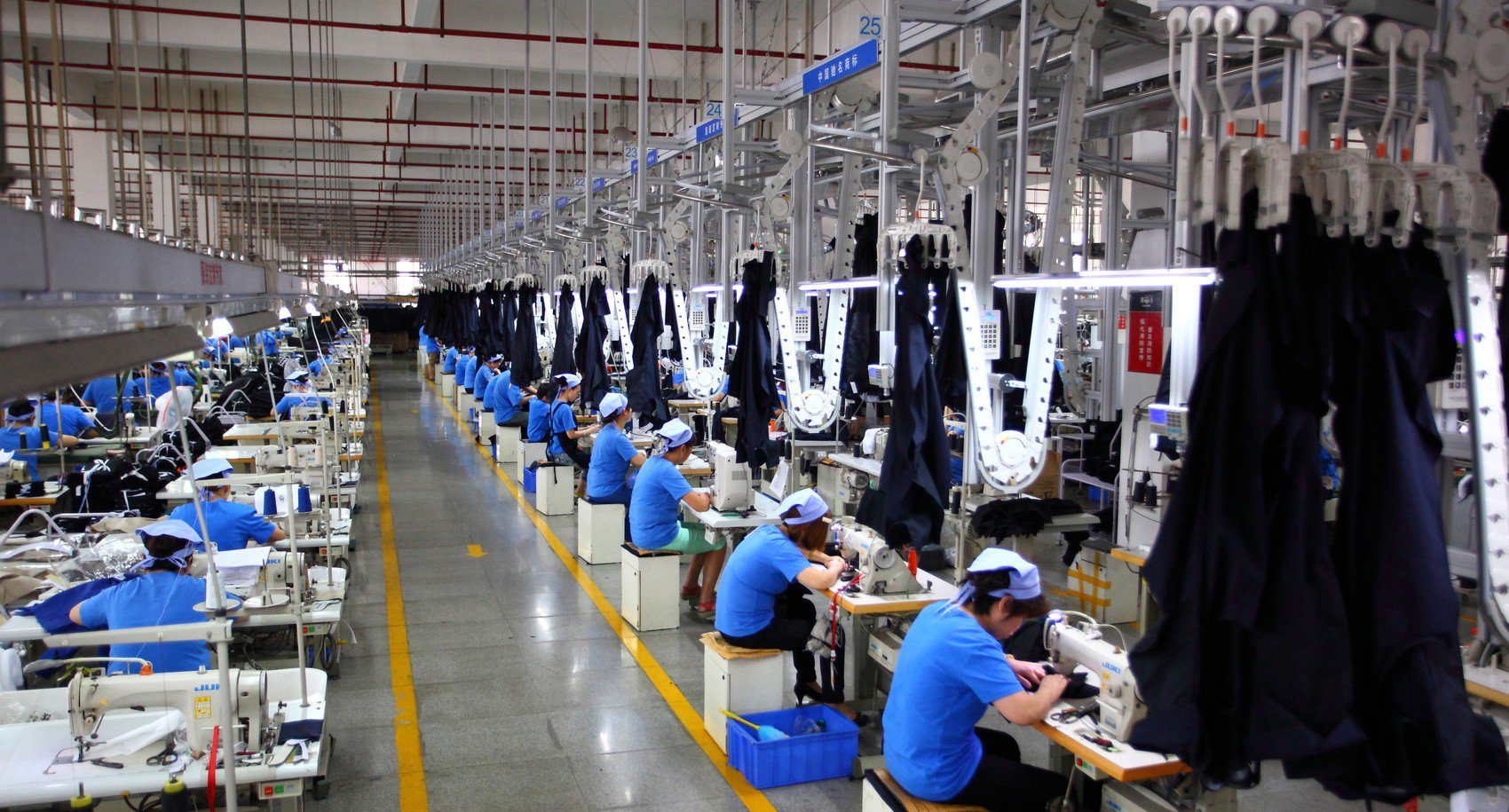
Modern activewear manufacturing facility in China — integrated supply chains enable faster production and consistent quality
1. Why Source Custom Activewear from China in 2026?
China's manufacturing ecosystem is vertically integrated to a degree unmatched by competitors. Within major production hubs — Guangdong (Dongguan, Guangzhou), Fujian (Xiamen, Jinjiang), and Zhejiang (Yiwu, Hangzhou) — fabric mills, dye houses, trim suppliers, and assembly factories operate within a 50 km radius. This cluster advantage delivers faster prototyping, lower logistics costs, and true end-to-end production. Brands can expect cost savings of 30–50% compared to Western domestic manufacturing.
| Factor |
China |
Vietnam |
Bangladesh |
| Fabric Ecosystem |
Fully integrated |
Imports 70–85% from China |
Imports 80%+ from China |
| Technical Capability |
Seamless, compression, bonded seams |
Basic cut-and-sew |
Basic cut-and-sew |
| MOQ Flexibility |
50–300 pcs (small factories) |
500–1,000+ pcs |
1,000–3,000+ pcs |
| Production Lead Time |
25–45 days |
35–60 days |
45–90 days |
Key Takeaway: If your activewear line involves technical fabrics, compression fits, seamless construction, or multi-panel designs, China is still your best — and often only — viable manufacturing option in 2026.
2. OEM vs. ODM vs. Private Label: Which Model Fits Your Brand?
Your manufacturing model affects costs, timelines, creative control, and minimum orders. Here is how each model works in practice:
OEM (Original Equipment Manufacturing)
You provide the complete design — tech packs, patterns, fabric specs, measurements, and branding. The factory builds to your specifications. Best for: Established brands with unique designs, brands ready to invest in IP. Expect higher MOQs (500–1,000+ per style), longer development (6–12 weeks), and full creative control. Pattern development typically costs $300–800 per style with 2–4 sampling rounds at $40–80 each.
ODM (Original Design Manufacturing)
The factory has a library of existing styles. You select, customize colors, add your logo, adjust fit, and modify packaging. Best for: Startups testing the market, brands wanting quick time-to-market. Lower MOQs (100–300 pieces), faster turnaround (4–8 weeks), and lower development cost — but the factory owns the base pattern.
Private Label: Stock Blanks, Your Label
Pre-made garments with your label sewn in and basic logo application. Best for: Influencer merch, gym promotional wear, ultra-lean startups. Lowest MOQ (50–100 pieces) and fastest turnaround (2–4 weeks), but minimal design differentiation.
Smart Strategy — ODM First, OEM Later: Launch with 4–8 ODM styles to test the market. Migrate your top 2–3 best-sellers to OEM with custom patterns and larger volumes. By Year 2, OEM dominates for core pieces while new seasonal styles still launch as ODM.
3. How to Find and Vet Reliable Activewear Manufacturers
Finding a manufacturer is easy. Finding a good one takes systematic vetting. Here is the 8-point checklist we recommend before signing any agreement:
Business License
Request and verify it matches their claimed company name and registered address
Live Video Tour
Request a real-time factory walkthrough — not a pre-recorded video
Activewear Specialization
Verify they specialize in performance wear, not "everything" — real factories focus
Certifications
OEKO-TEX, BSCI, ISO 9001, GRS — request certificate numbers and verify online
Client References
Ask for 2–3 references in your product category and target market
Communication Quality
Good partners ask clarifying questions and flag potential issues proactively
MOQ Consistency
A factory claiming "MOQ 1 piece" for full custom OEM is almost certainly a trading company
Factory vs. Trading Company
Ask directly — trading companies add 15–25% markup but may provide valuable QC and logistics
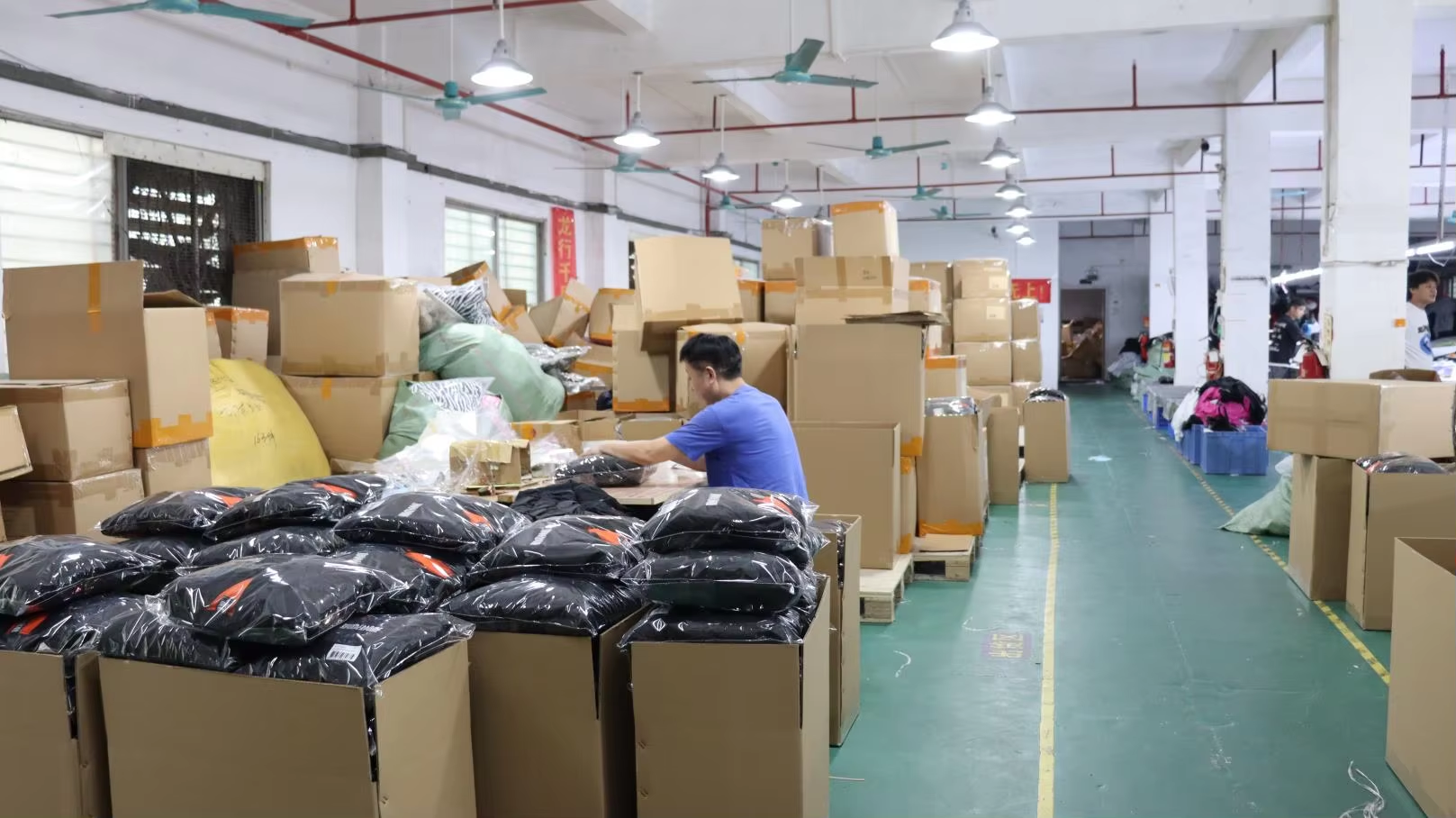
Fabric inspection at a Chinese activewear factory — verifying material quality before production is essential
4. Essential Activewear Fabrics: Performance Materials Explained
Fabric typically accounts for 40–60% of your total production cost and is the single biggest driver of quality, performance, and perceived value. Understanding the materials landscape is non-negotiable.
| Fabric Type |
Typical Composition |
Weight (GSM) |
Best For |
| Performance Polyester |
100% Polyester with wicking finish |
140–200 |
Running tops, training tees, jerseys |
| Nylon-Spandex (4-Way Stretch) |
75–88% Nylon / 12–25% Elastane |
200–280 |
Leggings, sports bras, compression wear |
| Brushed Fleece |
Cotton/Poly blend (10–30% Poly) |
280–350 |
Hoodies, joggers, sweatpants |
| French Terry |
Cotton or Cotton/Poly blend |
240–300 |
Lightweight sweatshirts, layering pieces |
| Seamless Knit |
Nylon/Spandex or Poly/Spandex |
Varies |
Seamless leggings, ribbed sets, shapewear |
| Interlock / Double Jersey |
Cotton, Cotton/Poly blends |
200–260 |
Premium basics, polo shirts |
Key Fabric Quality Parameters to Specify
- GSM Tolerance: ±5% from specification
- Colorfastness: AATCC 61 (wash) and AATCC 15 (perspiration) — minimum grade 4
- Shrinkage: Maximum 3% after 3 washes (request pre-shrunk fabric for natural fiber blends)
- Pilling Resistance: ICI Pilling Box, minimum grade 3–4 after 7,200 revolutions
- Stretch & Recovery: Fabric must recover ≥95% of original dimensions after stretch
Sustainable options are increasingly available from Chinese mills, including Recycled Polyester (rPET) with GRS certification, ECONYL Recycled Nylon, GOTS-Certified Organic Cotton, and TENCEL Lyocell. Always request third-party lab reports for any performance claim — legitimate factories provide them without hesitation.
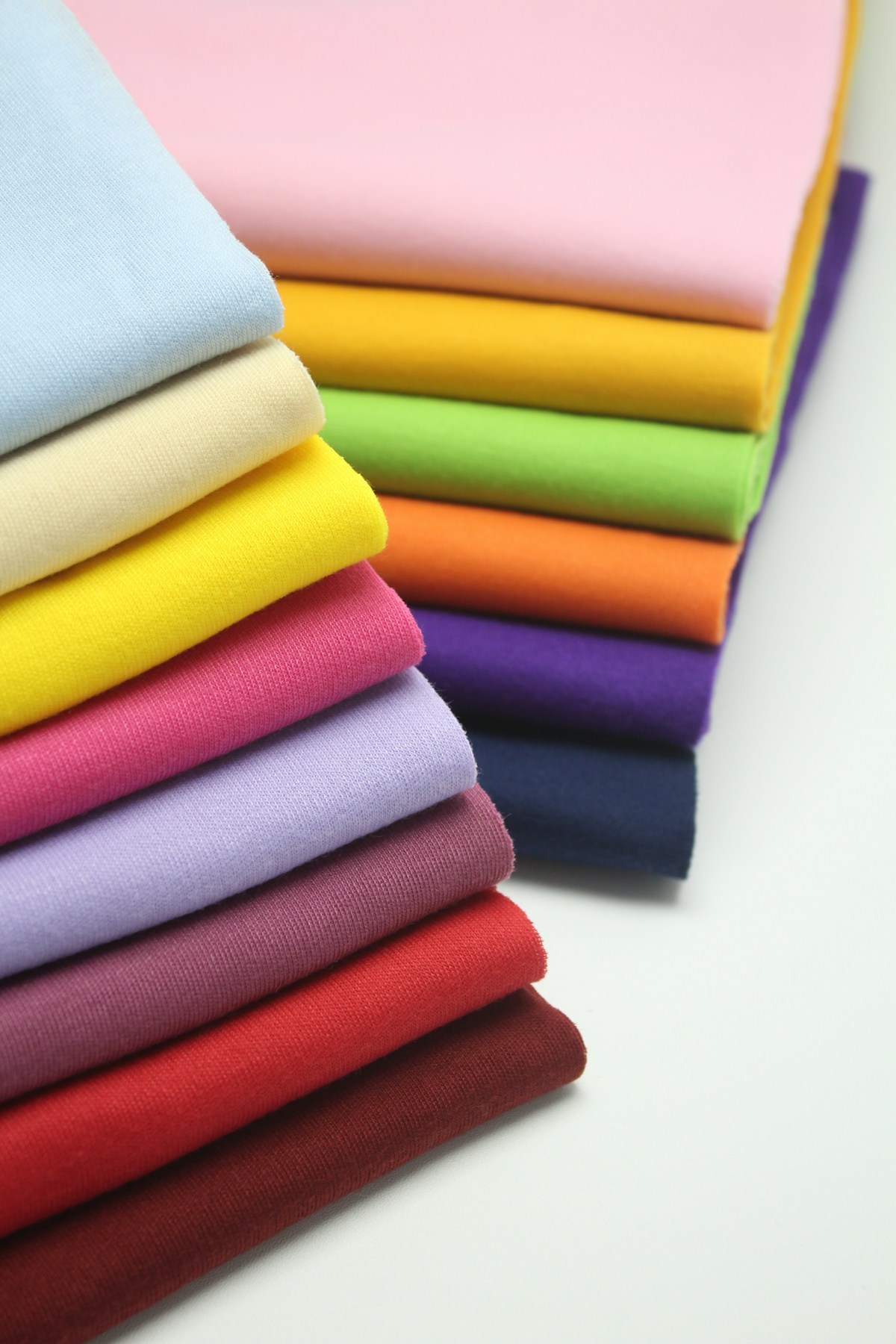
A selection of performance fabrics commonly used in activewear — nylon-spandex, polyester, brushed fleece, and rib knit
5. Understanding MOQ: What to Expect and How to Negotiate
Minimum Order Quantity is one of the most frequently misunderstood numbers in apparel sourcing. Here is what to expect across different product categories and customization levels in 2026:
| Product Type |
Stock + Logo |
ODM (Modified) |
Full OEM (Custom) |
| Basic Tee / Tank | 100–300 pcs | 300–500 pcs | 500–1,000 pcs |
| Sports Bra | 100–300 pcs | 300–500 pcs | 500–800 pcs |
| Leggings | 150–300 pcs | 300–500 pcs | 500–1,000 pcs |
| Hoodie / Sweatshirt | 200–500 pcs | 500–800 pcs | 800–1,500 pcs |
| Technical Outerwear | 300–500 pcs | 500–1,000 pcs | 1,000–3,000+ pcs |
| Seamless Activewear | 200–400 pcs | 400–800 pcs | 800–2,000+ pcs |
The MOQ Fine Print: Always clarify whether MOQ is per style or per color. A factory saying "MOQ 500" may mean 500 per color — a 3-color order is actually 1,500 pieces. Ask if you can mix sizes within the MOQ and whether mixing styles using the same fabric counts toward a single threshold.
Negotiation Strategies That Work
- Offer a higher per-unit price for a lower MOQ on your trial order
- Commit to a reorder timeline in writing — factories value predictable repeat business
- Use off-season timing — factories are hungrier in December–January and July–August
- Pay an MOQ surcharge rather than ordering more units than you need. A 30% surcharge on 150 units beats being stuck with 350 unsold units
6. Custom Activewear Cost Breakdown: From Sampling to Bulk
Understanding your true costs — not just the per-unit FOB price — prevents margin erosion and cash flow surprises.
| Product |
Low-End (Basic) |
Mid-Range |
Premium (Technical) |
| Sports Bra / Crop Top | $2.90–5.00 | $6.85–9.99 | $12.00–16.90 |
| Leggings | $4.76–7.00 | $7.80–9.50 | $12.00–18.00 |
| Yoga Set (Bra + Legging) | $7.00–10.00 | $14.00–18.00 | $22.00–32.00 |
| Training Tee | $2.50–4.00 | $5.00–8.00 | $10.00–14.00 |
| Compression Wear | — | $8.00–12.00 | $15.00–22.00 |
| Hoodie (Brushed Fleece) | $6.00–9.00 | $10.00–14.00 | $18.00–25.00 |
Real-World Example (1,000-Piece Leggings Order): Nylon-spandex, 220 GSM, custom logo. Per-unit FOB: $8.50. Add sea freight (~$600), duties (~20% for US), and third-party QC ($500). Total landed cost per unit: approximately $11.20. If retailing at $58, that is a healthy 5.2x markup — but do not forget your marketing, warehousing, returns, and overhead.
Hidden Costs First-Time Buyers Often Miss
- Pattern Making: $300–800 per style (OEM only)
- Pattern Grading: $150–400 per style (full size range)
- Lab Dips: $30–60 per color for custom dye matching
- Sample Rounds: $40–80 per sample per round (2–4 rounds for OEM)
- Bank Transfer Fees: $25–50 per international wire
- Customs Broker Fees: $150–300 per shipment
Standard payment terms are 30% deposit upon order confirmation and 70% balance before shipment against a copy of the Bill of Lading. Never pay 100% upfront — reputable factories operate on standard deposit and balance terms.
7. The Production Timeline: From Tech Pack to Delivery
A realistic timeline prevents missed launch dates and disappointed customers. Plan for 8–16 weeks of production plus shipping time, and build a 2-week buffer into every phase.
Step 1: Tech Pack Prep
Finalize designs, measurements, fabric specs, and artwork — 1 to 2 weeks
Step 2: Supplier Shortlisting & Quotes
Send tech packs to 5–8 suppliers and compare quotes — 1 to 2 weeks
Step 3: Fabric Sourcing & Lab Dips
Source fabrics, approve lab dips for custom colors — 2 to 4 weeks
Step 4: Sampling
Fit sample, revisions, pre-production (PP) sample approval — 2 to 4 weeks
Step 5: Bulk Production
Cutting, sewing, finishing, printing, embroidery — 3 to 6 weeks
Step 6: Quality Control
In-line DUPRO inspection + final AQL 2.5 inspection — 1 to 2 weeks
Step 7: Shipping & Delivery
Sea freight (25–40 days), air freight (5–10 days), or express courier (3–7 days)
8. Quality Control: Standards, Certifications & Inspection Checklist
Quality control is not optional — it is the difference between a brand that grows and one that drowns in returns. Budget for a structured QC process from day one.
The Three-Stage QC Framework
Stage 1: PP Sample Approval
Must use final production fabrics and trims — not premium substitutes. Inspect fit on a live model, fabric hand feel, stitching density, print adhesion, and color match against Pantone reference. Approve in writing and return the approved sample as the physical benchmark.
Stage 2: During Production (DUPRO)
Inspect the first ~30% of units off the line to catch systemic defects early. Recommended for orders over 500 pieces. Third-party firms like QIMA, SGS, Intertek, and Bureau Veritas are widely available in all major Chinese manufacturing hubs.
Stage 3: Final AQL 2.5 Inspection
Random sampling per AQL 2.5 standard (industry norm for apparel). Verify measurements against spec sheet (±1.5 cm tolerance), stitching consistency, color consistency across dye lots, print and embroidery alignment, zipper and trim functionality, and packaging integrity.
Key Certifications to Verify
| Certification |
What It Covers |
Why It Matters |
| OEKO-TEX Standard 100 | Chemical safety of every fabric component | Essential for EU and US market compliance |
| BSCI / SEDEX / WRAP | Social compliance, ethical labor standards | Required by most major retailers |
| ISO 9001 | Quality management systems | Indicates systematic quality processes |
| GOTS | Organic fiber content and social criteria | Required for any "organic" product claims |
| GRS | Recycled content verification | Required for any "recycled" product claims |
| REACH | EU chemical compliance regulation | Mandatory for European market entry |
Pro Tip: Do not just ask "do you have OEKO-TEX?" — request the certificate number and verify it on the official OEKO-TEX website. Counterfeit certifications exist, and the consequences of using non-compliant materials can include shipment rejection at customs.
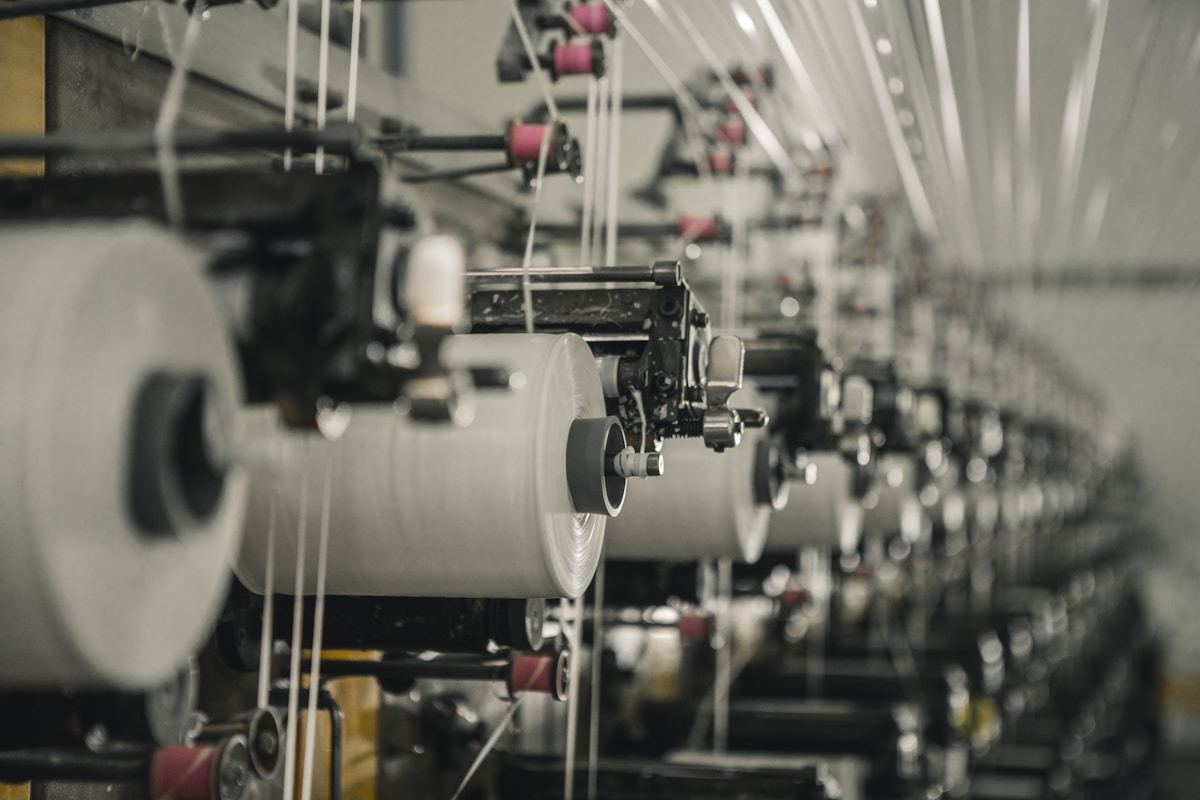
A modern activewear production line — consistent stitch quality and proper seam construction are hallmarks of a reliable manufacturer
9. Customization Options: Printing, Embroidery, Labels & Packaging
Customization is where your brand identity comes to life. Here is what is available and what to specify for each decoration method:
| Method |
Cost Per Unit |
Typical MOQ |
Best For |
Durability |
| Screen Printing | $0.50–1.50 | 50+ pcs | Bold logos, simple designs | High |
| Embroidery | $1.00–5.00 | 20+ pcs | Premium brand marks | Very High |
| Sublimation (All-Over Print) | $2.00–6.00 | 100+ pcs | Full-coverage unique designs | High |
| Heat Transfer / Vinyl | $0.80–3.00 | 10+ pcs | Small runs, names/numbers | Medium |
| Silicone / Rubber Patches | $1.50–4.00 | 100+ pcs | High-end athleisure branding | Very High |
| Reflective Printing | $1.00–3.00 | 50+ pcs | Running/outdoor safety features | Medium |
Do not overlook the unboxing experience. Specify your main label type (woven, printed, or heat transfer), care label content, hangtag design, and polybag requirements. Branded packaging adds $0.50–3.00 per unit but significantly elevates perceived value.
10. Shipping, Tariffs & Logistics for Activewear Imports
Your product is not done when it leaves the factory floor. Logistics and duties can make or break your margins.
| Shipping Mode |
Transit Time |
Cost (per kg) |
Best For |
| Express Courier (DHL/FedEx/UPS) | 3–7 days | $6–12/kg | Samples, urgent small batches |
| Air Freight | 5–10 days | $3–7/kg | Mid-weight, time-sensitive orders |
| Sea Freight (LCL) | 25–40 days | $0.50–1.50/kg | Smaller than a full container |
| Sea Freight (FCL) | 25–40 days | ~$2,500–4,500/container | Full container loads — best per-unit cost |
2026 Tariff Reality by Destination
| Destination |
Activewear Duty Rate |
Notes |
| USA | 16–32% base + 7.5–25% Section 301 surcharge | Effective total: 23–50% |
| EU | ~12% | No country-specific surcharge on China |
| UK | ~12% | Check UK Global Tariff schedule |
| Canada | ~18% | No Section 301 equivalent |
| Australia | ~5% | Reduced rates under China-Australia FTA |
For your first order, choose FOB (Free on Board) Incoterms — the factory delivers to port and you handle the rest. Work with a customs broker to get your HTS codes right before ordering. As a rule of thumb, your total landed cost will be 35–50% higher than the FOB price for US-bound sea freight.
11. Common Sourcing Pitfalls and How to Avoid Them
We have seen these mistakes cost brands thousands of dollars and months of delay. Learn from them.
The Cheap Sample Trap
The sample is beautiful — but the bulk order uses lower-grade fabric. Fix: Require PP samples to use the exact same fabric and trim lots as bulk production.
Vague or Incomplete Tech Packs
The factory makes assumptions. The product arrives and it is not what you envisioned. Fix: Include flat sketches, graded measurement tables, fabric specs, stitch types, Pantone codes, and packaging details in every tech pack.
Skipping Third-Party QC
"The factory does their own QC — that is enough." It is not. Fix: Budget $300–500 per man-day for independent inspection. For a $15,000 order, that is 2% — cheap insurance.
Unrealistic Price Expectations
A quote 40% below average means corners are being cut. Fix: Get itemized quotes and compare line by line — fabric, labor, trims, and overhead.
No IP Protection
Your original designs appear on AliExpress under a different brand. Fix: Register trademarks in China, use NDAs, and build long-term relationships with trusted factories.
Ignoring Total Landed Cost
You budget FOB only. Duties, freight, and customs eat your margin. Fix: Use Total Landed Cost = FOB + Freight + Insurance + Duties + Broker Fees + Port Charges + Domestic Trucking.
Poor Communication and Assumptions
Language barriers and cultural differences make assumptions dangerous. Fix: Confirm everything in writing. Use annotated photos. Schedule weekly check-ins during production.
Ordering Too Much, Too Fast
You order 6,000 units of untested styles. Half do not sell. Fix: Start with smaller test orders. Let your customers tell you what to scale. Use ODM for new styles — only migrate proven winners to OEM.
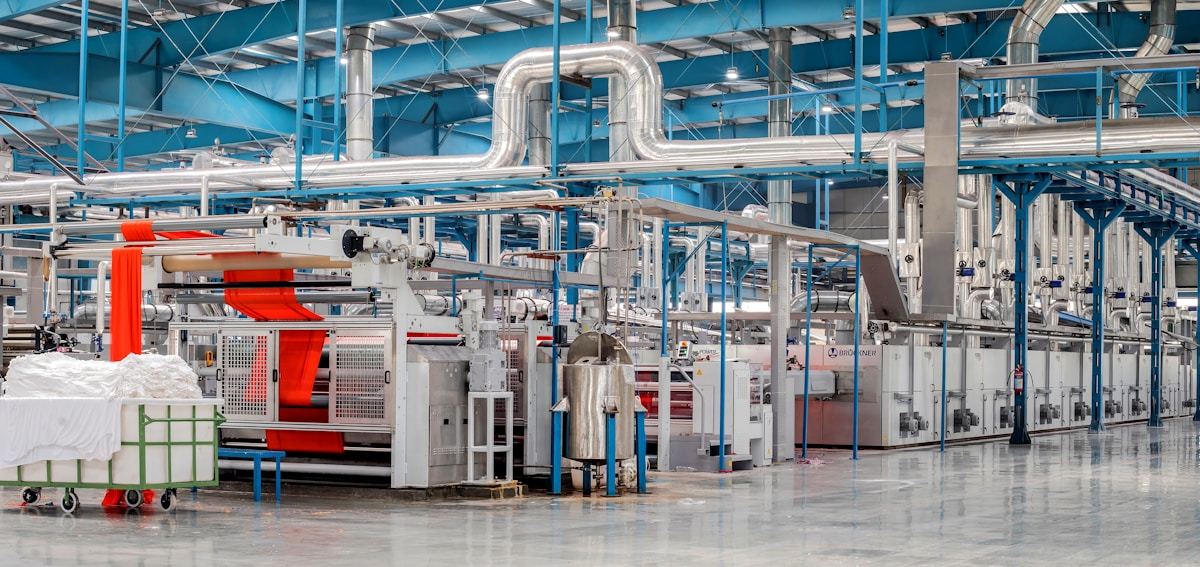
A large-scale textile production facility — choosing the right factory partner requires thorough vetting and clear quality standards
12. Your 8-Step Action Plan to Launch a Custom Activewear Line
Step 1: Define Your Product & Quality Standard
What products? What quality tier? Work backward from your target retail price to determine your target FOB cost.
Step 2: Choose Your Manufacturing Model
Stock + logo, ODM, or OEM? Recommendation for first-timers: start with ODM.
Step 3: Prepare Your Tech Pack
Include flat sketches, measurement tables, fabric specs, stitch types, and Pantone codes. Hire a freelance technical designer if needed ($200–500 per style).
Step 4: Shortlist 5–8 Suppliers
Use the 8-point vetting checklist from Section 3. Send identical tech packs to all for comparable quotes.
Step 5: Order & Approve Samples
Fabric swatches, fit sample, and pre-production sample. Approve the PP sample in writing before production begins.
Step 6: Arrange QC & Production Monitoring
Book a third-party inspection service. Schedule DUPRO for orders over 500 pcs. Schedule final AQL 2.5 inspection before shipment.
Step 7: Arrange Shipping & Customs
Choose FOB for your first order. Hire a freight forwarder and customs broker. Confirm HTS codes and estimated duties upfront.
Step 8: Receive, Inspect, Launch & Iterate
Spot-check your shipment upon arrival. Collect customer feedback systematically. Identify best-sellers for OEM migration.
Frequently Asked Questions
How much does it cost to start a custom activewear line?
For a small ODM-based launch with 4–6 styles at 200 pcs each (1,200 total units), expect to invest approximately $8,000–12,000 in production costs (FOB). This excludes shipping, duties, marketing, and your own operational overhead. Starting with 50–100 pcs per style from low-MOQ suppliers can reduce the initial investment to $3,000–5,000.
How long does it take from design to delivery?
Plan for 8–16 weeks of production plus 4–6 weeks of sea freight. Air freight can cut shipping to 5–10 days but costs 5–10x more per kg. The biggest variables are sampling approval cycles and custom fabric dyeing lead times.
What is the difference between OEM and ODM?
OEM means you provide the complete design and the factory manufactures to your specifications — you own the IP. ODM means the factory has existing styles that you customize with your branding — faster and cheaper, but the factory owns the base pattern. Most successful brands start with ODM and transition best-sellers to OEM over time.
Can I get MOQs as low as 50 pieces?
Yes, but typically only for stock items with simple logo application (private label model), not for full custom OEM. Some small, startup-friendly factories in Yiwu and Guangzhou offer MOQs of 50–100 pcs for basic styles. Expect to pay a 20–30% premium per unit for low-MOQ orders.
Ready to Source Your Custom Activewear?
China's activewear manufacturing ecosystem is vast, capable, and — with the right approach — accessible to brands of any size. The key is preparation: a detailed tech pack, a rigorous vetting process, a clear quality control plan, and realistic expectations about costs and timelines.
Whether you are launching your first collection or scaling an established brand, the principles in this guide will help you navigate the sourcing process with confidence. For a curated list of verified factories, explore our Top 6 Custom Activewear Manufacturers in China 2026 Buyer's Guide or browse more OEM/ODM manufacturing resources.