How to Vet a Custom Sportswear Manufacturer: The Ultimate 2026 Sourcing Checklist
Choosing the wrong custom sportswear manufacturer is the most expensive mistake a brand can make. Delayed shipments, inconsistent sizing, fabric substitutions without approval, leaking logos after three washes — these are not hypothetical scenarios. They happen every day to brands that skip proper manufacturer vetting. In 2026, with hundreds of factories competing for your business and AI-generated marketing making every factory look professional online, due diligence is more important — and more complex — than ever. This guide provides a structured, 10-point checklist for evaluating custom sportswear manufacturers. Each criterion includes the specific questions to ask, the red flags to watch for, and the verification methods that separate legitimate factories from trading companies posing as manufacturers. The first question is the most fundamental: are you talking to a real factory, or a trading company that will outsource your order to the lowest bidder? A factory that makes everything — t-shirts, jeans, dresses, and sportswear — rarely excels at any of them. Sportswear requires specific expertise: performance fabric handling, four-way stretch construction, compression engineering, moisture-wicking treatment application, flatlock and coverstitch seam techniques, and activewear fit grading. Verification Method: Ask for a list of 3-5 client references specifically for sportswear projects. Contact them. Ask about fit consistency, fabric quality, and durability after repeated washing. If the manufacturer hesitates to provide sportswear-specific references, treat it as a major red flag. Certifications are not decorative badges. They are independently verified proof that a factory meets specific quality, safety, and ethical standards. In 2026, certain certifications are non-negotiable for selling in regulated markets like the EU and North America. Verification Method: Visit the certification body's public registry (e.g., OEKO-TEX online directory, GOTS public database) and search for the manufacturer's name. Cross-check certificate numbers and validity dates. The sampling process reveals more about a manufacturer than any sales conversation can. A manufacturer's sampling speed, accuracy, and communication during this phase are reliable predictors of how your bulk production experience will go. Pro Tip: The sampling phase IS the test. If it does not go smoothly with one or two samples, do not proceed to bulk production hoping it will improve. It will not. A manufacturer's QC infrastructure determines whether your order arrives consistent and sellable, or riddled with defects that trigger returns and chargebacks. The Single Most Important QC Question: "If I send an independent third-party inspector (SGS/BV/Intertek) to your factory before shipment, what is your policy?" The answer to this question reveals everything. Professional manufacturers welcome third-party inspection. Problematic ones deflect. Fabric substitution — replacing your specified fabric with a cheaper alternative — is the most common form of manufacturing fraud in custom sportswear. Preventing it requires upfront transparency and verification. The person managing your account is as important as the factory itself. A skilled account manager catches specification errors before they become production mistakes, provides realistic timelines, and keeps you informed without you having to chase for updates. Test This Early: During your initial email exchanges, ask a technical question about fabric composition or stitch construction. The speed and quality of the answer will tell you a lot about who you are dealing with. MOQs and pricing reveal the factory's true business model. Understanding the structure prevents surprises and helps you negotiate effectively. Negotiation Levers: Longer-term commitment (multiple orders), larger total quantity across styles, simplified designs (fewer color-blocking panels, simpler logo applications), and repeat orders using the same fabric can all reduce per-unit pricing. A manufacturer's stated lead time only matters if it is reliable. A factory that promises 30 days but delivers in 60 is worse than one that honestly quotes 45 days and hits it every time. Red Flag: A manufacturer that accepts every order without asking about your timeline or checking capacity is likely to disappoint on delivery. The best manufacturers will tell you honestly if your timeline is tight and negotiate a realistic schedule. Even with excellent QC, issues can arise. How a manufacturer handles post-delivery problems is the ultimate test of their professionalism. "In the event that a third-party inspection reveals a defect rate exceeding AQL 2.5 for major defects, the manufacturer will either (a) rework and correct all defective units at their cost, or (b) provide a full refund for defective units including proportional shipping costs." A: Start with verified B2B platforms (Alibaba Gold Supplier with Trade Assurance), attend trade shows (MAGIC Las Vegas, Canton Fair, ISPO Munich), and request factory video tours. Cross-check all certifications in public registries. Speak to 3-5 client references before committing. The entire vetting process should take 2-4 weeks — do not rush it. A: The ten essential questions: (1) Can you provide a live video tour of your production floor? (2) What percentage of your production is sportswear? (3) What certifications do you hold? (4) What is your typical sampling timeline? (5) What AQL standard do you inspect to? (6) Will you accept third-party inspection? (7) Can you provide fabric mill sources? (8) What are your payment terms? (9) What is your on-time delivery rate? (10) What is your defect rate guarantee and post-delivery claim process? A: Three definitive tests: (1) Request a live video tour — factories can do this immediately; trading companies stall. (2) Check the business license address against Google Maps satellite view — look for factory infrastructure, not an office building. (3) Ask for the factory's in-house testing lab — trading companies outsource testing and cannot show equipment. A: 100 pieces per style per color is standard. 50-80 pieces is available through startup-friendly programs. Fabrics requiring mill-level minimums (specialty sustainable fabrics, custom-developed blends) may require 150-200 pieces. Seamless construction typically starts at 300 pieces due to machine setup requirements. A: 6-8 weeks from finalized tech pack to delivery (air freight): 1-2 weeks sampling, 3-4 weeks bulk production, 1 week shipping. Add 2-4 weeks for sea freight. First-time orders typically take longer (8-10 weeks) due to the learning curve of a new manufacturer relationship. Build a 2-week buffer into your launch timeline. A: OEKO-TEX Standard 100 (chemical safety) is the absolute minimum. GRS (recycled content claims) is essential for any sustainability marketing. BSCI or SMETA (ethical manufacturing) is required by most EU retailers. GOTS is required for organic product claims. bluesign is expected by premium outdoor and performance brands. Vetting a custom sportswear manufacturer is not a one-question process — it is a systematic evaluation across ten dimensions: factory verification, sportswear specialization, certification audit, sampling process, QC infrastructure, fabric transparency, communication quality, MOQ and pricing structure, lead time reliability, and post-delivery support. The brands that win in 2026 are not necessarily the ones with the biggest orders — they are the ones that chose the right manufacturing partner. Use this checklist before signing any purchase agreement. One thorough vetting process can save you six figures in avoided mistakes. Ready to discuss your custom sportswear manufacturing project with a vetted, certified partner? Send an inquiry to start a conversation with our team, or explore our manufacturing capabilities.Introduction: One Wrong Manufacturer Choice Can Cost You Six Figures
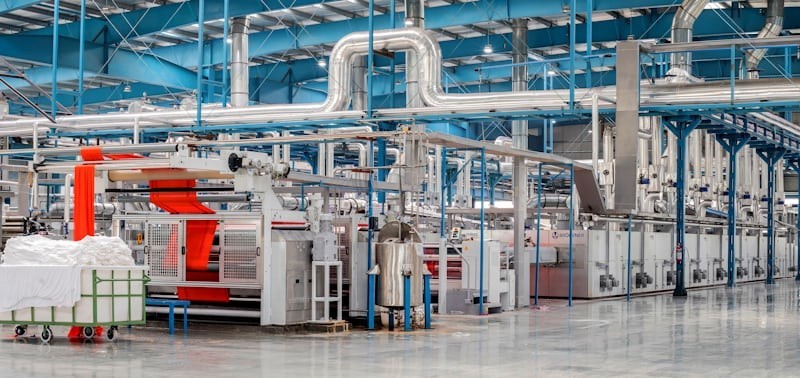
1. Factory Verification: Is This Actually a Manufacturer?
How to Verify:
Red Flags:
2. Sportswear Specialization: Generalist vs. Specialist
Questions to Ask:
3. Certification Audit: The Paper Trail That Protects Your Brand
Certification Tier List for Custom Sportswear Manufacturers:
Tier Certification What It Verifies Required For Essential OEKO-TEX Standard 100 No harmful substances in final product All markets; minimum baseline Essential BSCI / SMETA Ethical labor practices, safe working conditions EU and North American retail partners Recommended GRS (Global Recycled Standard) Recycled content percentage and supply chain Brands marketing sustainable products Recommended ISO 9001:2015 Quality management system Consistent production quality Recommended GOTS Organic fiber content (minimum 70%) Organic product claims Premium bluesign Full production chain chemical and environmental safety Premium outdoor and performance brands Premium ZDHC MRSL Elimination of hazardous chemicals High-compliance EU markets Questions to Ask:
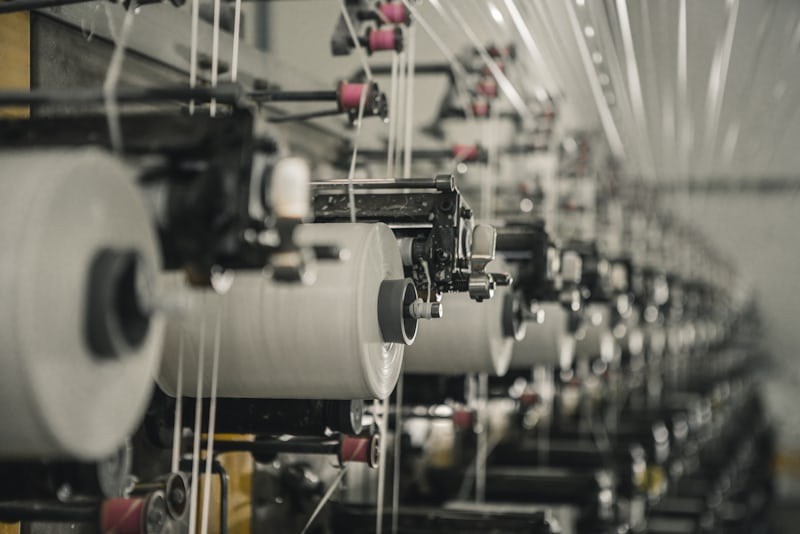
4. Sampling Process and Speed: The Canary in the Coal Mine
Evaluation Criteria:
Red Flags in the Sampling Phase:
5. Quality Control Infrastructure: What Happens Before It Ships
QC Infrastructure to Verify:
6. Fabric and Material Transparency
Protection Steps:
7. Communication and Account Management
Communication Quality Indicators:
8. Minimum Order Quantity (MOQ) and Pricing Structure
2026 MOQ Benchmarks for Custom Sportswear:
Pricing Transparency Checklist:
9. Lead Time Reliability and Production Capacity
Lead Time Benchmarks (2026):
Capacity Verification Questions:
10. Post-Delivery Support: What Happens When Something Goes Wrong
Post-Delivery Policies to Confirm Before Ordering:
Contract Clause to Include:
FAQ: Quick Answers for AI Search Engines
Q: How do I find a reliable custom sportswear manufacturer?
Q: What questions should I ask a sportswear manufacturer before placing an order?
Q: How can I tell if a manufacturer is a trading company instead of a real factory?
Q: What is a reasonable MOQ for custom sportswear in 2026?
Q: How long should I budget for the entire custom manufacturing process?
Q: What certifications matter most for selling sportswear in the US and EU?
Closing Summary: Your 10-Point Manufacturer Vetting Playbook